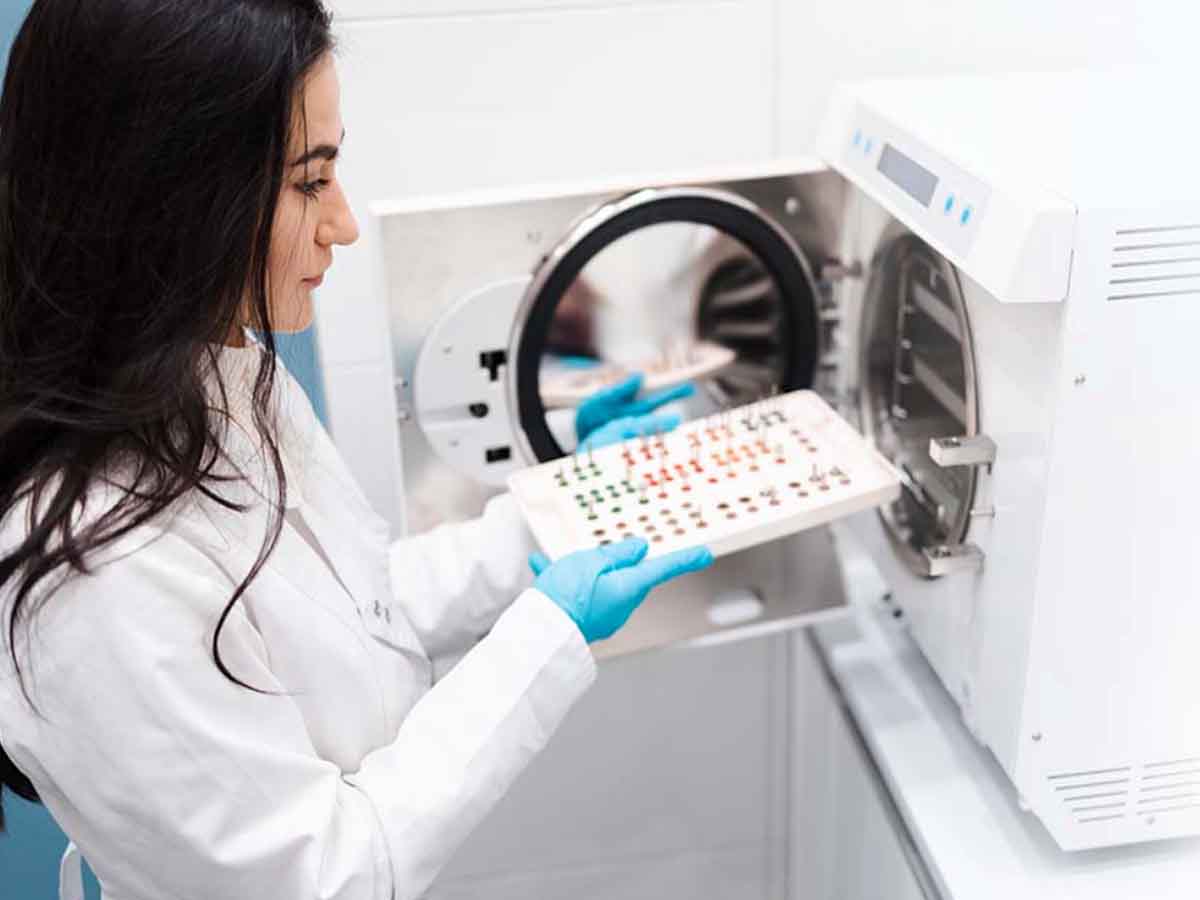
Maintaining strict infection control is essential in dental clinics to protect both patients and dental professionals. One of the most important tools used for this purpose is the autoclave. Autoclaves play a vital role in dental safety and sterilisation by eliminating harmful microorganisms from dental instruments and equipment.
What is an Autoclave?
An autoclave is a medical sterilisation device that uses high-pressure saturated steam at high temperatures to destroy bacteria, viruses, fungi, and spores. In dental clinics, autoclaves are widely used to sterilise reusable instruments such as forceps, scalers, mirrors, probes, and surgical tools.
Autoclave sterilisation is considered the gold standard in dentistry due to its effectiveness and reliability.
Why is Sterilisation Important in Dentistry?
Dental procedures often involve contact with:
- Blood
- Saliva
- Oral tissues
These can carry infectious agents like Hepatitis B, Hepatitis C, HIV, and bacterial infections. Without proper sterilisation, these pathogens can be transferred between patients, causing cross infection.
Effective sterilisation ensures:
- Patient safety
- Protection of dental staff
- Compliance with infection control guidelines
- Trust in dental healthcare services
How Does an Autoclave Work?
An autoclave works by combining heat, steam, and pressure to destroy microorganisms.
Basic Working Process:
- Instruments are thoroughly cleaned and packed
- Items are placed inside the autoclave chamber
- Steam is generated at temperatures of 121°C–134°C
- High pressure allows steam to penetrate instruments
- Microorganisms and spores are destroyed
- Instruments are dried and ready for safe use
This process ensures complete sterilisation of dental tools.
Role of Autoclave in Dental Safety
Prevention of Cross Infection
Autoclaves effectively kill pathogens that can spread infections from one patient to another, significantly reducing the risk of cross contamination in dental clinics.
Protection of Dental Professionals
By sterilising contaminated instruments, autoclaves protect dentists, dental assistants, and hygienists from occupational exposure to infectious diseases.
Compliance with Dental Regulations
Most dental councils and health authorities mandate the use of autoclaves for sterilisation. Regular autoclave use ensures clinics meet legal and ethical standards.
Sterilisation of Critical Instruments
Autoclaves are ideal for sterilising:
- Surgical instruments
- Dental hand instruments
- Extraction tools
- Periodontal instruments
These items come into direct contact with tissues and must be completely sterile.
Builds Patient Trust
Visible sterilisation practices, including autoclave use, increase patient confidence in the clinic’s hygiene and safety standards.
Types of Autoclaves Used in Dentistry
Class N Autoclave
- Used for solid, unwrapped instruments
- Suitable for basic dental procedures
Class B Autoclave
- Most advanced and widely recommended
- Sterilises wrapped, unwrapped, hollow, and porous instruments
- Ideal for modern dental clinics
Class S Autoclave
- Intermediate type
- Suitable for specific instruments as defined by the manufacturer
Best Practices for Autoclave Use in Dental Clinics
- Clean instruments before sterilisation
- Do not overload the autoclave
- Use correct temperature and cycle time
- Perform regular maintenance and validation tests
- Keep sterilisation records and logs
Following these practices ensures effective and consistent sterilisation.
Conclusion
The autoclave plays a critical role in dental safety and sterilisation by preventing cross infection, protecting healthcare workers, and ensuring compliance with infection control standards. Proper use of autoclaves not only safeguards health but also enhances the credibility and professionalism of dental practices.
Every dental clinic, whether small or large, must prioritise autoclave sterilisation to deliver safe, hygienic, and high-quality dental care.

Leave a Reply