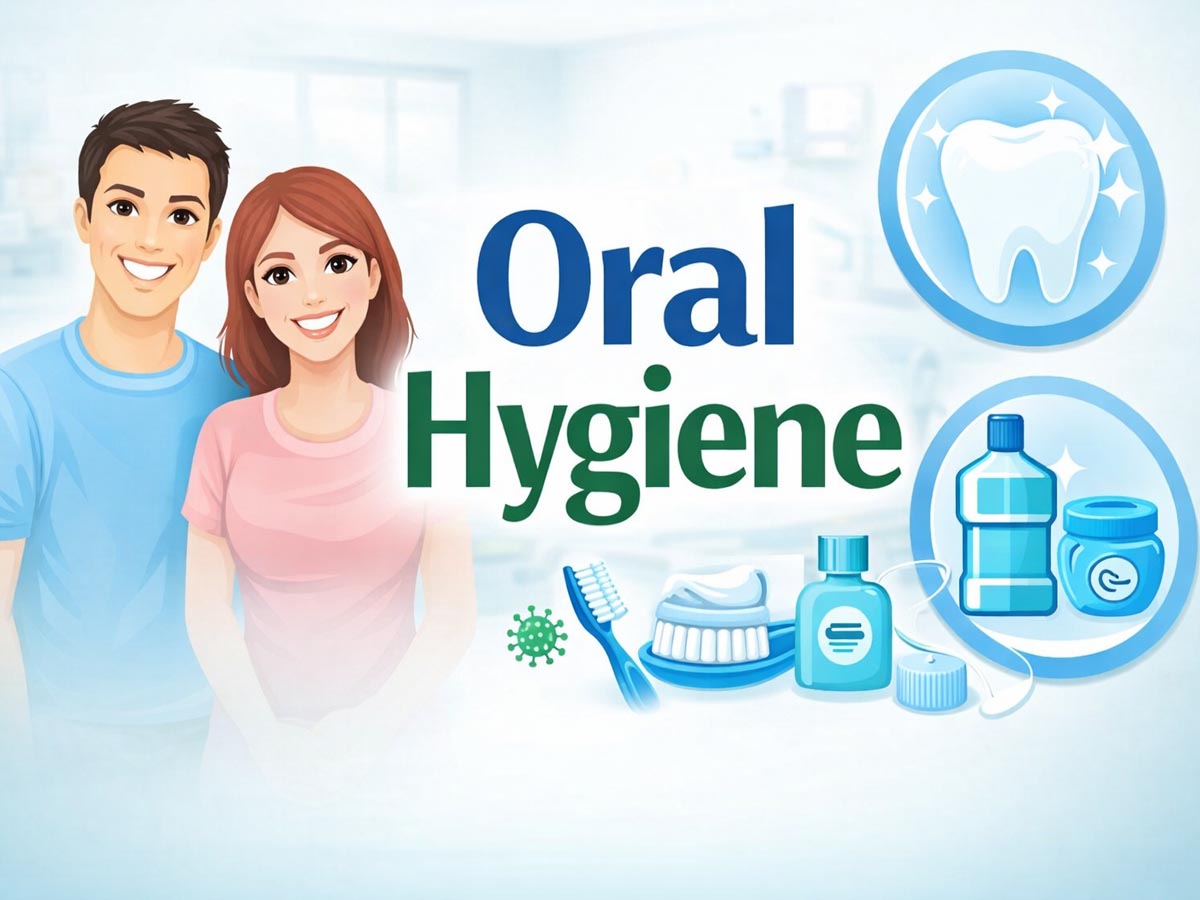
Oral hygiene is the practice of keeping the mouth, teeth, gums, and tongue clean to prevent dental and systemic diseases. Good oral hygiene habits help maintain a bright smile, fresh breath, and strong teeth—while also supporting overall health. This blog explains what oral hygiene is, why it matters, and how to practice it effectively every day.
What is Oral Hygiene?
Oral hygiene includes daily habits such as brushing, flossing, tongue cleaning, and routine dental visits. These practices remove plaque – a sticky film of bacteria – that can cause tooth decay, gum disease, and bad breath if not controlled.
Why is Oral Hygiene Important?
Maintaining good oral hygiene offers multiple benefits:
- Prevents tooth decay and cavities
- Reduces gum disease (gingivitis and periodontitis)
- Keeps breath fresh
- Protects overall health (oral health is linked to heart disease, diabetes, and respiratory infections)
- Boosts confidence and quality of life
Essential Oral Hygiene Practices
Brush Twice a Day
- Brush for 2 minutes, morning and night
- Use a soft-bristled toothbrush and gentle circular motions
- Replace your toothbrush every 3–4 months
Use Fluoride Toothpaste
- Fluoride strengthens enamel and helps prevent cavities
- Use a pea-sized amount for adults; follow dentist advice for children
Floss Daily
- Removes plaque and food particles between teeth
- Prevents cavities and gum disease in hard-to-reach areas
Clean Your Tongue
- Reduces bacteria that cause bad breath
- Use a tongue scraper or toothbrush gently
Rinse With Mouthwash
- An antibacterial or fluoride mouthwash helps reduce bacteria and strengthen teeth
- Rinse for 30–60 seconds after brushing and flossing
Diet and Oral Hygiene
Your diet plays a crucial role in oral health:
- Limit sugary and acidic foods and drinks
- Choose fruits, vegetables, dairy, whole grains
- Drink plenty of water to wash away food particles and acids
Avoid Harmful Habits
- Quit smoking and tobacco use (linked to gum disease and oral cancer)
- Avoid excessive alcohol consumption
- Don’t use teeth as tools (opening bottles, biting nails)
Regular Dental Visits
- Visit your dentist every 6 months
- Get professional cleanings and early detection of problems
- Follow personalized advice for your oral health needs
Oral Hygiene for Children and Seniors
- Children : Start early with supervised brushing and healthy eating habits
- Seniors : Maintain oral care to support chewing, nutrition, and speech; manage dry mouth if present
Conclusion
Oral hygiene is a cornerstone of lifelong health. By brushing twice daily, flossing, eating a balanced diet, and visiting the dentist regularly, you can prevent most dental problems and support overall well-being. Make oral hygiene a daily habit for a healthier smile and body.

Leave a Reply