
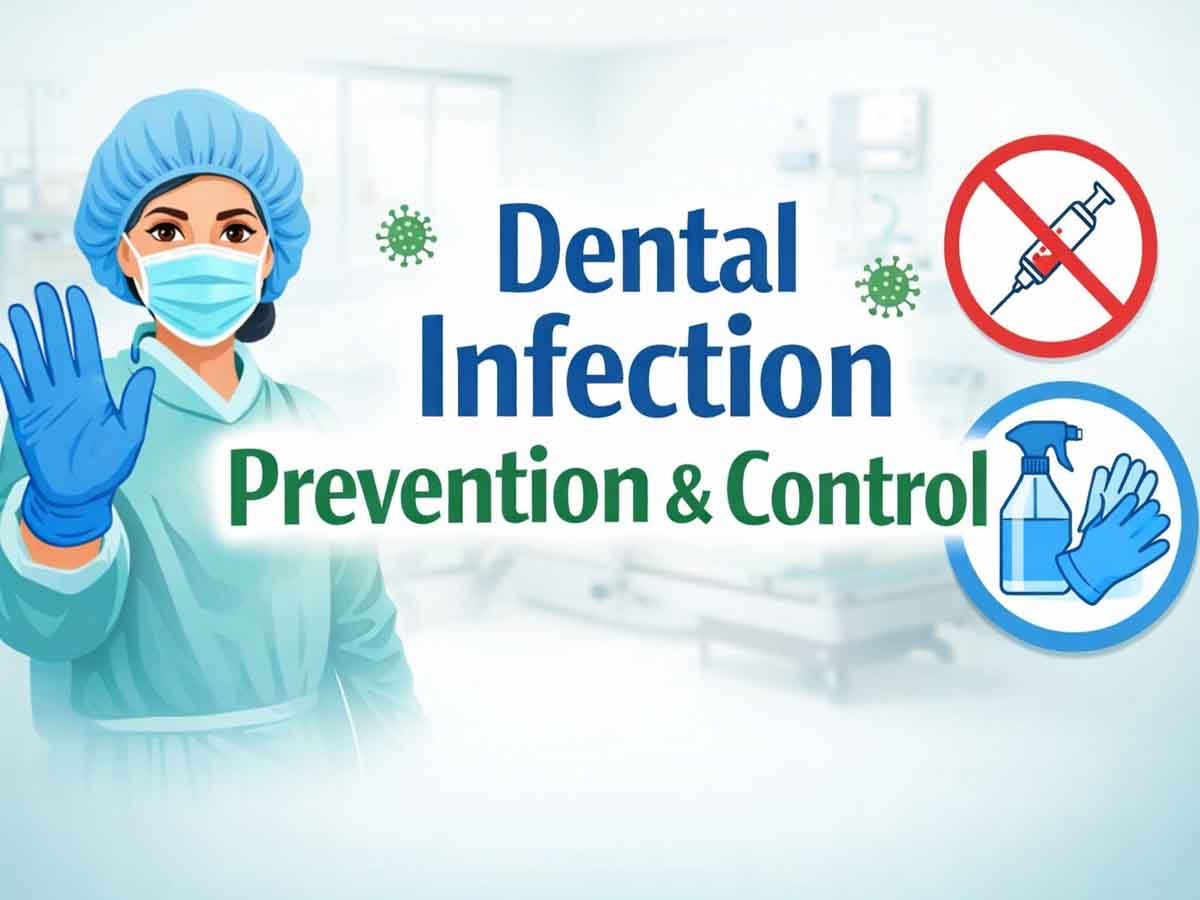
In dental settings, where close contact with patients’ mouths is unavoidable, infection prevention and control is essential to protect both patients and dental health care personnel (DHCP). The Centers for Disease Control and Prevention (CDC) provides evidence-based recommendations to guide safe practices in all dental environments. These protocols help minimise the risk of infectious disease transmission and ensure high standards of patient safety.
What is Dental Infection Prevention and Control?
Dental infection prevention and control refers to a set of standard precautions and best practices designed to prevent the spread of pathogens during dental treatment. These guidelines apply to all dental care settings – whether private clinics, community dental programs, dental schools, or mobile dental units.
At the core of these measures are Standard Precautions, which protect both patients and DHCP by treating every patient as potentially infectious, regardless of their known health status.
Why is Infection Control Critical in Dentistry?
Dental procedures often involve exposure to blood, saliva, respiratory droplets, and body fluids, which can harbour harmful microorganisms. Without strict infection control:
- Pathogens could spread from patient to patient.
- Dental staff could be exposed to bloodborne diseases like hepatitis and HIV.
- Environmental surfaces and equipment could become reservoirs for contamination.
By implementing CDC-recommended practices, dental clinics significantly reduce the risk of disease transmission and raise the standard of dental care.
Key Components of Dental Infection Prevention and Control
Standard Precautions
Standard Precautions are the foundation of infection control in dental settings and include practices that prevent pathogen transmission during patient care. These precautionary steps include:
- Hand hygiene : Clean hands before and after each patient and after glove removal.
- Personal protective equipment (PPE) : Wear gloves, masks, eye protection, face shields, and protective clothing appropriate for the procedure.
- Respiratory hygiene/cough etiquette : Encourage covering coughs, provide tissues, and offer masks to symptomatic individuals.
- Sharps safety : Use engineering controls and safe practices to prevent needle sticks and other injuries.
- Safe injection practices : Use aseptic techniques and never reuse needles or syringes.
- Sterile instruments and devices : Ensure all reusable dental instruments are properly cleaned and sterilised.
- Environmental cleaning : Disinfect surfaces and dental chairs between patients.
These precautions apply to every patient, whether they show signs of infection or not.
Hand Hygiene
Hand hygiene is the most effective way to prevent the spread of infections. Dental staff should wash hands with soap and water when visibly soiled, or use an alcohol-based hand rub when appropriate. Hand hygiene must be performed:
- Before and after treating each patient
- Before putting on gloves and after glove removal
- After contact with saliva, blood, or contaminated instruments
Personal Protective Equipment (PPE)
PPE serves as a barrier between dental staff and infectious materials. Key PPE includes:
- Gloves : Always wear new gloves for each patient; never reuse or wash contaminated gloves.
- Masks : Protect against inhaling droplets and splashes.
- Eye/face protection : Shields eyes from sprays of bodily fluids.
- Protective clothing : Gowns or lab coats to prevent contamination of clothes.
Proper training on how to wear and remove PPE is crucial to avoid contamination during removal.
Safe Injection Practices
Safe injection practices are part of Standard Precautions and are essential for preventing infection during procedures that involve local anaesthesia or other injections. Key steps include:
- Use a new needle and syringe for each patient.
- Disinfect the medication vial’s rubber septum before piercing.
- Do not reuse or share multidose vials between patients.
These practices protect patients from bloodborne disease transmission.
Sharps Safety
Dental professionals often work with sharp instruments such as needles, scalers, or burs. To prevent injuries and the risk of pathogen exposure:
- Use engineered safety devices when available.
- Avoid recapping needles by hand.
- Dispose of sharps immediately in puncture-resistant containers.
Administrative and Training Measures
Infection control is not just about clinical practices – it also includes administrative planning and ongoing education:
- Establish written infection control policies.
- Appoint a staff member to coordinate infection prevention efforts.
- Ensure adequate supplies (PPE, hand hygiene products, safer devices).
- Provide regular training and maintain records.
These measures ensure that all dental personnel understand and consistently apply infection control principles.
Conclusion
Dental infection prevention and control is integral to delivering safe, high-quality dental care. Following CDC’s Standard Precautions and best practices helps safeguard patients, protect dental professionals, and maintain public health. By committing to these protocols, dental clinics can create a clean, safe environment where patients can receive care without fear of infection.

Leave a Reply