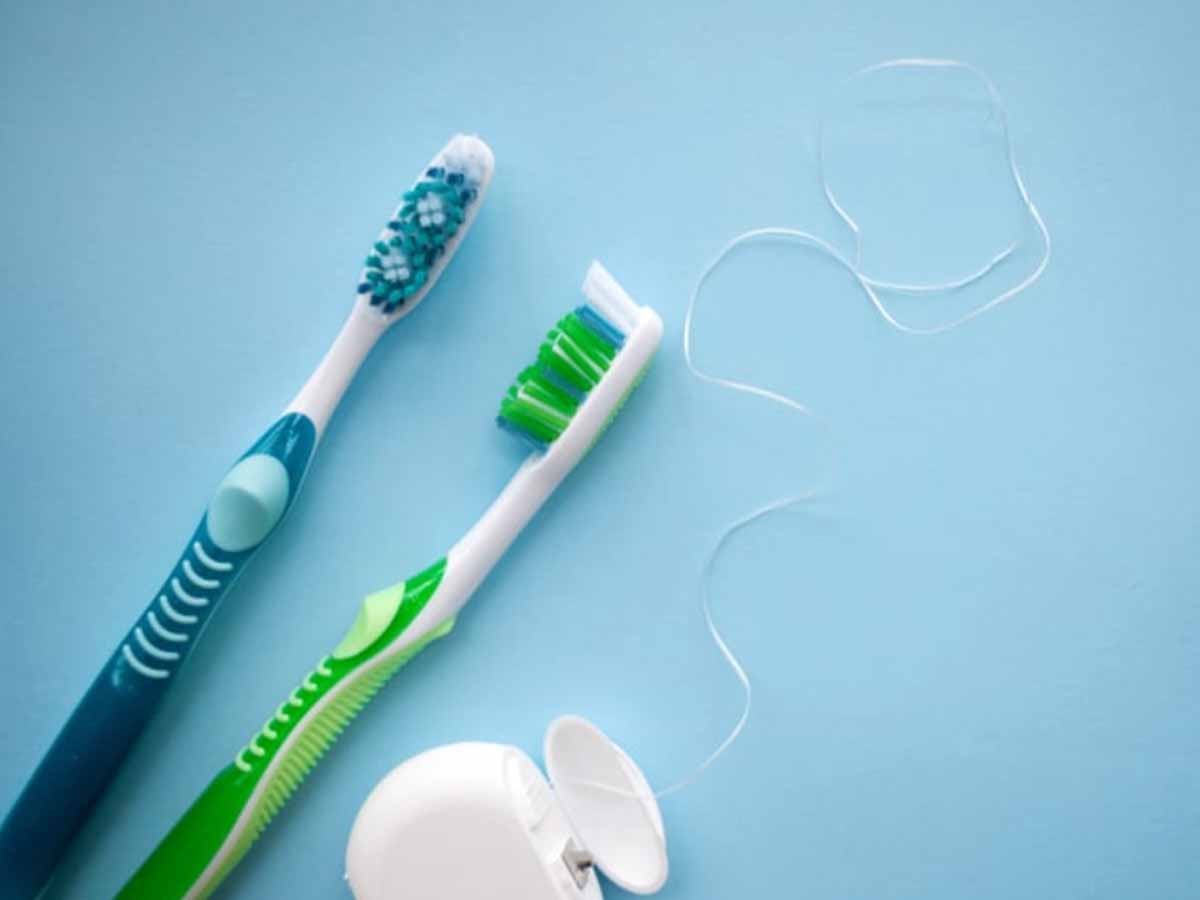
Maintaining good oral hygiene starts with the right tools. Toothbrushes and floss are everyday essentials, but with modern technology, many people now face an important question: Should you choose electric or traditional dental care tools? Understanding the differences between electric and manual toothbrushes—and traditional floss versus electric flossers—can help you make the best choice for your oral health needs.
Toothbrushes: Electric vs Traditional
Traditional (Manual) Toothbrushes
Manual toothbrushes have been used for decades and remain a popular choice worldwide.
Pros:
- Affordable and widely available
- Easy to use and travel-friendly
- Available in various bristle types and head sizes
- No batteries or charging required
Cons:
- Effectiveness depends heavily on proper technique
- Harder to maintain consistent brushing pressure
- May not clean as thoroughly in hard-to-reach areas
Best for:
- People with good brushing habits and proper technique.
Electric Toothbrushes
Electric toothbrushes use oscillating, rotating, or vibrating bristles to clean teeth more efficiently.
Pros:
- Removes more plaque with less effort
- Built-in timers encourage proper brushing time
- Pressure sensors reduce risk of gum damage
- Ideal for people with limited dexterity
Cons:
- More expensive upfront
- Requires charging or batteries
- Replacement heads cost more than manual brushes
Best for:
- Children, seniors, individuals with braces, or anyone looking for enhanced cleaning.
Floss: Traditional vs Electric (Water Flossers)
Traditional Dental Floss
Traditional floss comes in waxed, unwaxed, tape, or flavored varieties.
Pros:
- Inexpensive and portable
- Effective at removing plaque between teeth
- Allows precise control
Cons:
- Can be difficult for people with limited hand coordination
- Improper use may irritate gums
- Less effective for braces or dental work
Best for:
- People comfortable with flossing daily and maintaining proper technique.
Electric Flossers (Water Flossers)
Water flossers use a stream of pressurized water to clean between teeth and along the gum line.
Pros:
- Gentle on gums
- Excellent for braces, implants, and crowns
- Easy to use for people with mobility issues
- Reduces gum inflammation
Cons:
- Higher cost
- Requires electricity and counter space
- Less portable
Best for:
People with orthodontic appliances, gum disease, or sensitive gums.
Conclusion
Both electric and traditional toothbrushes and floss have their place in oral care. While electric tools offer convenience and enhanced cleaning, traditional tools remain effective when used correctly. The most important factor is consistency – using whichever tools you are most likely to use daily and correctly.
A healthy smile isn’t about technology alone – it’s about commitment, routine, and proper care. 😄

Leave a Reply