
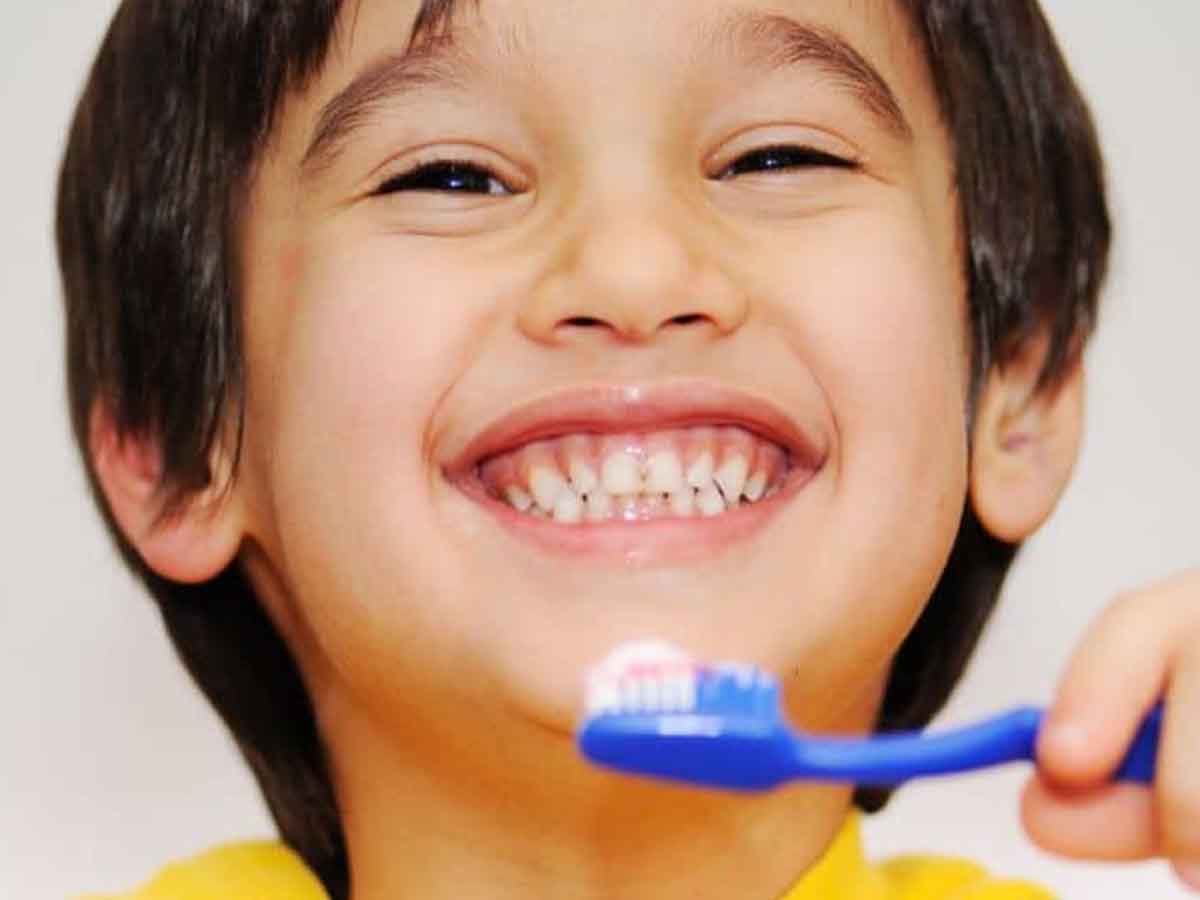
Good oral hygiene is essential for maintaining healthy teeth, strong gums, and fresh breath. Practicing proper oral care not only improves your smile but also helps prevent common dental problems such as cavities, gum disease, and bad breath. This blog explains how to practice good oral hygiene daily using simple and effective habits recommended by dental professionals.
What is Oral Hygiene?
Oral hygiene refers to the daily practices that keep your mouth clean and free from disease-causing bacteria. It involves caring for your teeth, gums, tongue, and entire oral cavity to prevent dental and oral health problems.
Why is Good Oral Hygiene Important?
Practicing good oral hygiene helps to:
- Prevent tooth decay and cavities
- Avoid gum disease (gingivitis and periodontitis)
- Maintain fresh breath
- Protect overall health (oral health is linked to heart disease and diabetes)
- Save money on dental treatments
Good oral hygiene is important for people of all ages, from children to older adults.
Steps to Practice Good Oral Hygiene
Brush Your Teeth Twice a Day
Brushing is the foundation of good oral hygiene.
- Brush your teeth at least twice daily, especially before bed
- Use a soft-bristled toothbrush
- Brush for 2 minutes each time
- Use gentle circular motions
- Clean all surfaces of your teeth
Replace your toothbrush every 3 – 4 months or sooner if bristles wear out.
Use Fluoride Toothpaste
Fluoride strengthens tooth enamel and helps prevent cavities.
- Choose a toothpaste containing fluoride
- Use a pea-sized amount for adults
- For children, use as advised by a dentist
Fluoride is a key ingredient in maintaining strong and healthy teeth.
Floss Daily
Flossing removes food particles and plaque from between teeth where toothbrushes cannot reach.
- Floss at least once a day
- Be gentle to avoid injuring gums
- Use dental floss, floss picks, or interdental brushes
Daily flossing helps prevent gum disease and tooth decay.
Clean Your Tongue
Bacteria on the tongue can cause bad breath and oral infections.
- Use a tongue scraper or toothbrush
- Clean your tongue gently from back to front
- Rinse after cleaning
Tongue cleaning improves breath and overall oral hygiene.
Rinse With Mouthwash
Mouthwash helps kill bacteria and freshen breath.
- Use an antibacterial or fluoride mouthwash
- Rinse for 30–60 seconds
- Do not eat or drink immediately after use
Mouthwash is an excellent addition to brushing and flossing.
Maintain a Healthy Diet
What you eat directly affects your oral health.
- Limit sugary and acidic foods
- Avoid frequent snacking
- Eat fruits, vegetables, dairy, and whole grains
- Drink plenty of water
A balanced diet supports strong teeth and gums.
Avoid Tobacco Products
Smoking and chewing tobacco can lead to:
- Gum disease
- Tooth discoloration
- Bad breath
- Oral cancer
Avoiding tobacco is essential for good oral and overall health.
Visit Your Dentist Regularly
Regular dental checkups are crucial.
- Visit the dentist every 6 months
- Get professional cleaning and oral examinations
- Detect dental problems early
Routine visits help maintain long-term oral hygiene.
Oral Hygiene Tips for Children
- Teach children to brush twice daily
- Supervise brushing until proper technique is learned
- Use child-friendly toothbrushes and toothpaste
- Encourage healthy eating habits
Good oral hygiene habits developed early last a lifetime.
Conclusion
Practicing good oral hygiene is simple yet extremely important for a healthy mouth and confident smile. By brushing twice a day, flossing daily, using mouthwash, eating a healthy diet, and visiting the dentist regularly, you can prevent most dental problems and enjoy excellent oral health.
Make oral hygiene a daily habit – it is an investment in your long-term health.

Leave a Reply